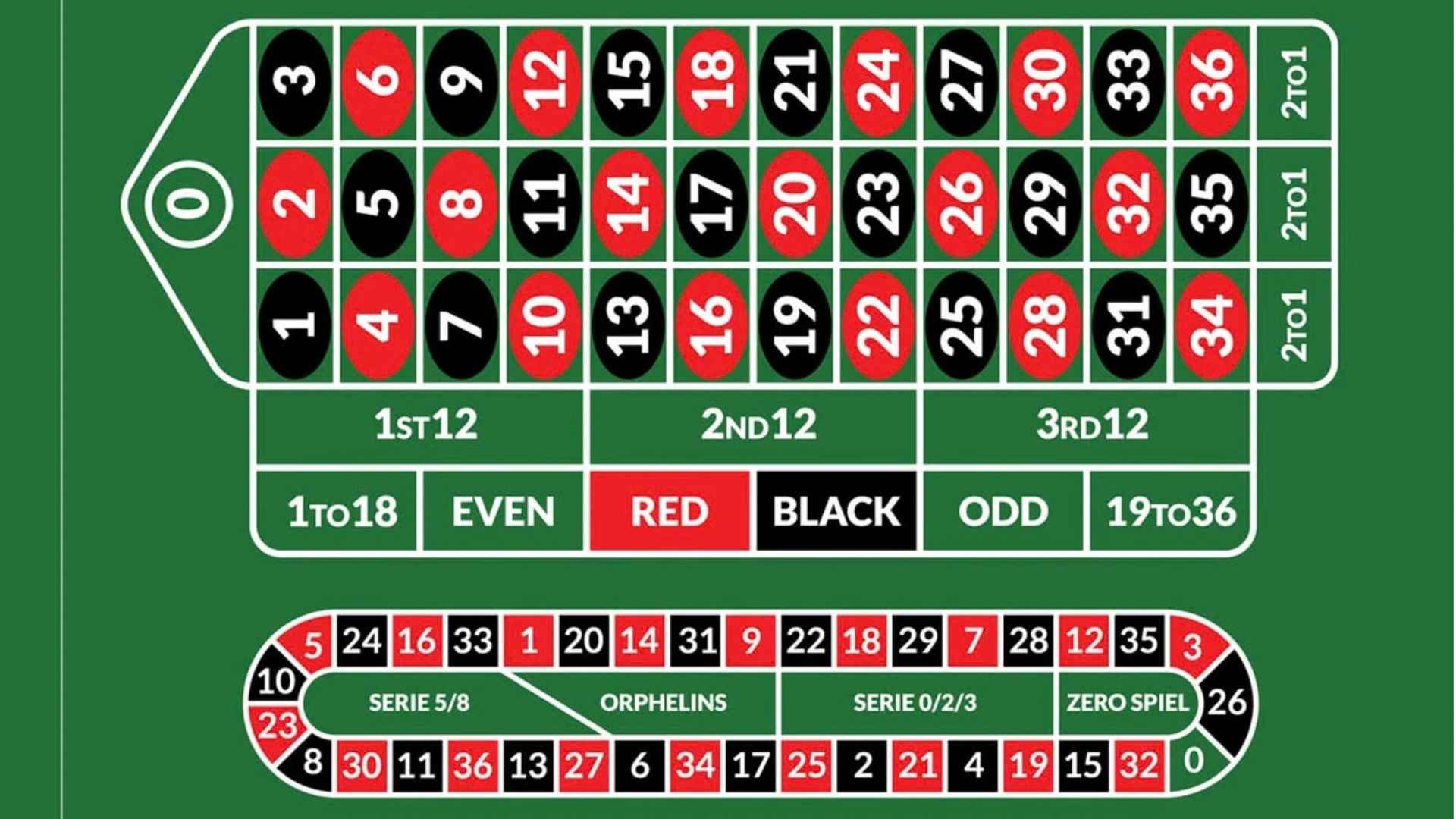
Engaging in number games serves as an excellent method to stimulate cognitive functions and enhance daily problem-solving capabilities. For many enthusiasts, moving beyond casual play requires a structured approach and specific training methods to achieve noticeable progress. By implementing systematic methods, anyone can transform their analytical skills and enjoy a more rewarding gaming experience.
Analyzing Matrix Patterns and Formats
The first step toward significant progress involves understanding how grid systems and sequences interact within a predefined layout. Players must learn to identify recurring digital boundaries rather than evaluating individual numbers in isolation. Developing this structural awareness allows you to make calculated decisions and minimize predictable errors early in the session.
Many modern interactive platforms offer analytical dashboards to help players visualize their tactical progress over time. Utilizing resource networks like Msports can provide valuable context regarding strategic trends and modern competitive layouts. Combining personal data observation with reliable external information builds a stronger foundation for long-term improvement.
The Methodical Elimination System
Successful puzzle solvers rarely rely on random estimation when navigating complex mathematical variations. Instead, they implement a strict elimination framework that systematically narrows down viable options based on constant logical rules. This deliberate process reduces cognitive fatigue and ensures each placement is backed by verifiable rationale.
When encountering highly restricted zones, it is best to resolve those areas completely before moving to broader sections. Taking a measured approach prevents minor oversight that could compromise the final solution of the match. Patience remains a core element that separates top-tier strategists from typical players.
Enhancing Working Memory Retention
Consistent mental training acts as a powerful catalyst for boosting information processing speeds and overall retention. By regularly holding complex numerical sequences in your mind, you actively strengthen the neural pathways responsible for deductive logic. This structural fitness naturally translates to quicker assessment times during intense gameplay scenarios.
To maintain peak mental agility, it is helpful to set aside a few minutes each day for targeted exercise. Short, focused practice blocks are generally more effective than irregular marathon sessions that lead to mental burnout. Over time, these daily habits establish a balanced routine that fosters sustainable cognitive health.
Tracking Mistakes for Future Growth
Reviewing previous performance remains one of the most underutilized methods for achieving personal gaming breakthroughs. Documenting where specific logical lines deviated helps you recognize personal cognitive biases and behavioral patterns. Correcting these repetitive errors builds immediate confidence and refines your overall operational accuracy.
Ultimately, the journey toward mastery is defined by gradual refinements and strategic adaptation. Welcoming complex challenges as learning opportunities ensures your approach remains fresh and highly engaging. With dedication and structured practice, reaching a higher tier of skill becomes an attainable reality.