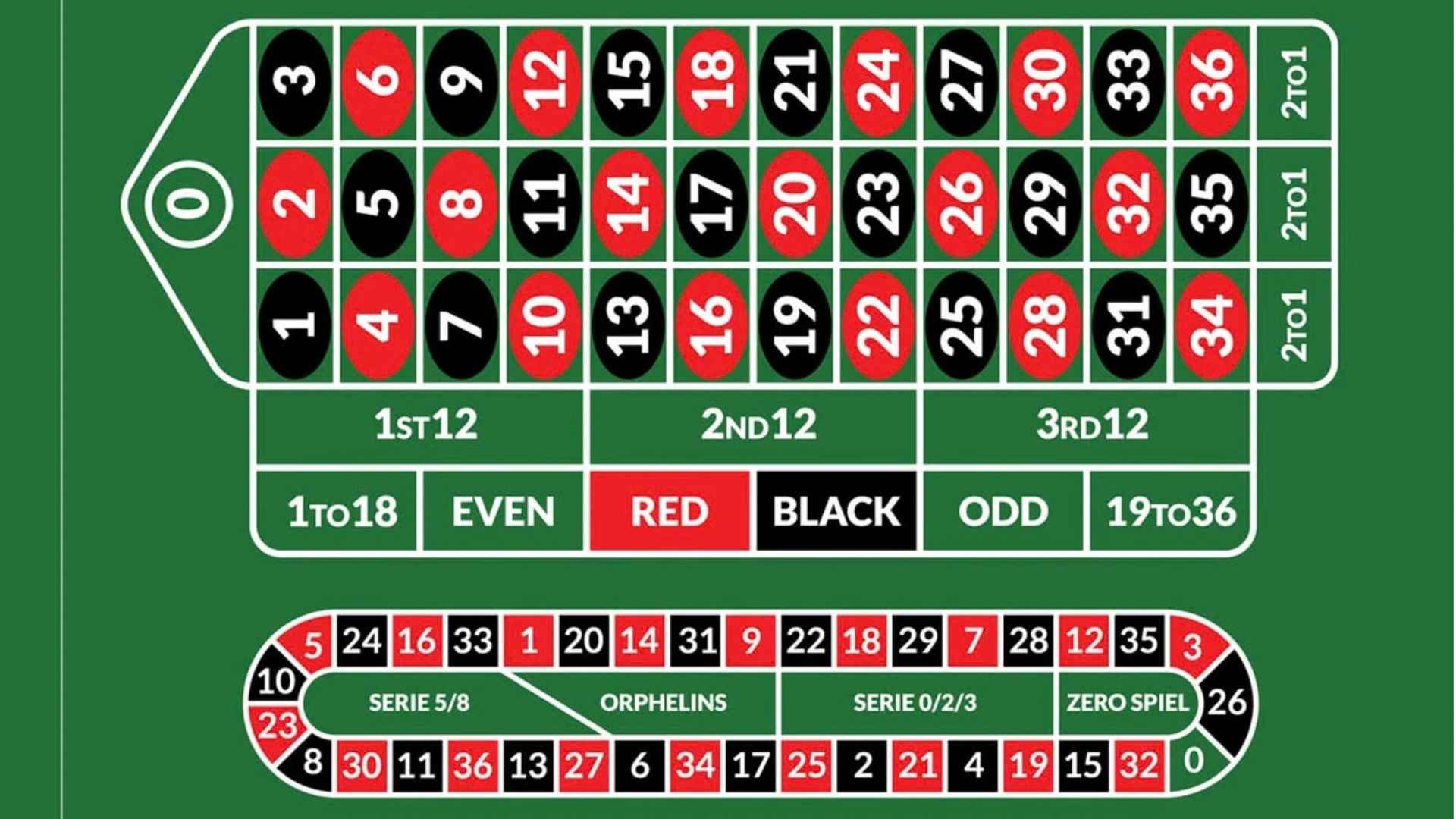
The modern landscape of tabletop gaming has shifted away from rigid, single-path strategies toward dynamic systems that constantly demand adaptation. Board games that reward tactical flexibility challenge players to abandon fixed long-term planning in favor of real-time adjustment based on fluid game states. This active engagement keeps every session unpredictable, offering a deeply satisfying mental workout that values clever pivot over predictable routine.
The Critical Shift From Scripted Strategies to Open Tactics
Many classic games rely on fixed openings or formulaic paths to achieve a win condition. However, contemporary designs introduce fluctuating elements such as changing markets, randomized tile layouts, or shifting player alliances. These mechanisms force participants to continuously re-evaluate their positions and modify their immediate goals to stay competitive.
Embracing a flexible approach means recognizing that a temporary setback can be transformed into a fresh opportunity. Instead of following a strict blueprint, successful players look at the board as an evolving puzzle where the best solution changes with every turn. This constant need for evaluation keeps participants deeply invested in the gameplay from start to finish.
How Adaptive Game Mechanics Heighten Player Engagement
Games featuring asymmetrical player powers or shared resource pools naturally cultivate a high level of tactical variety. When your opponents alter the shared environment, any rigid strategy can crumble in a single turn. This design philosophy ensures that no single strategy remains dominant across multiple play sessions, preserving the longevity of the game.
For individuals looking to explore dynamic environments outside of traditional tabletop setups, diving into diverse online platforms like Msports can provide a parallel thrill of quick adaptation and real-time competition. In both digital landscapes and physical board games, the ability to read a shifting situation and adjust your approach remains a foundational skill. Ultimately, systems built around unpredictability reward the most observant and agile minds at the table.
Cultivating Real-World Decision Skills Through Fluid Play
Navigating an unpredictable board game environment does more than provide entertainment for an evening. It serves as a practical laboratory for honing cognitive flexibility and assessing risk under pressure. Players learn to balance short-term gains against potential long-term exposure, developing a balanced mindset toward calculated risk-taking.
This mental agility translates smoothly into everyday problem-solving scenarios where circumstances change without warning. By practicing rapid prioritization in a controlled, low-stakes setting, individuals become more comfortable handling uncertainty. Thus, the hobby becomes both an enjoyable social pastime and an effective tool for personal cognitive development.
Building a Versatile Collection Focused on Variable Setups
When selecting new titles to add to your home library, looking for components that alter the baseline setup is a smart approach. Modules such as variable scoring cards, modular maps, and randomized starting resources guarantee that every playthrough demands a unique tactical response. This variety prevents the experienced players from dominating purely through memorized patterns.
Investing in designs that prioritize tactical adjustments ensures that your game nights remain lively and filled with genuine surprises. It encourages healthy table talk, shared laughter, and memorable comebacks that keep everyone eager to play again. A collection centered around adaptability promises endless replay value for years to come.